
House removals TW1 guide for Richmond Road and King Street
Posted on 12/08/2026
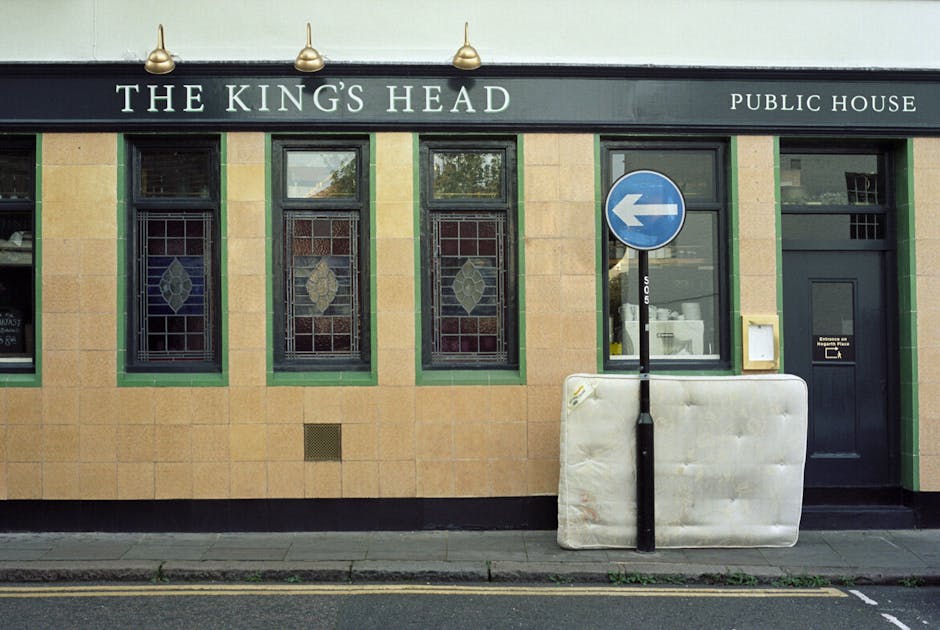
Moving home around Richmond Road or King Street in TW1 can look straightforward on paper, then suddenly feel a bit more complicated once you factor in parking, narrow access, busy traffic, and the simple fact that a moving day rarely stays perfectly on schedule. This House removals TW1 guide for Richmond Road and King Street is here to make the whole thing calmer, clearer, and far more manageable. Whether you are moving from a flat above a shop, a family house, or a smaller rental near the town centre, the right preparation can save you time, money, and quite a lot of stress.
In this guide, you will find practical steps, local moving considerations, a comparison of removal options, common mistakes to avoid, and a realistic checklist you can actually use. If you want a broader view of how local moving support fits into the area, you can also explore the wider house removals service in Twickenham and the company's services overview for a fuller picture of what is typically available.
Why House removals TW1 guide for Richmond Road and King Street Matters
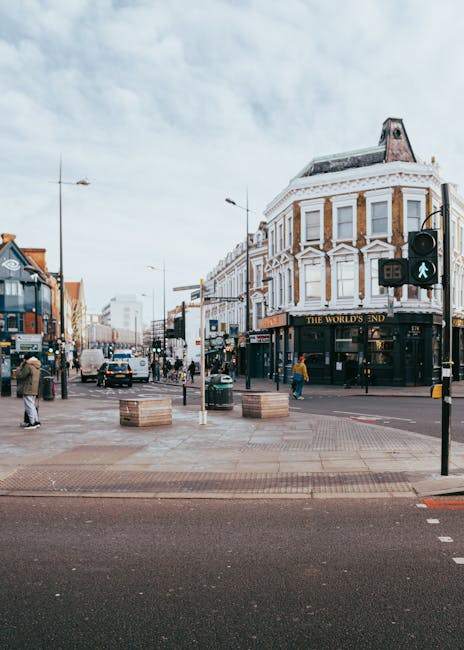
Richmond Road and King Street sit right in the sort of area where a move can be either neatly organised or mildly chaotic, depending on how much thought you put in beforehand. These are busy local routes, with a mix of residential properties, local businesses, delivery activity, and the usual London realities: limited kerb space, timing pressure, and the occasional "where on earth can the van stop?" moment.
That matters because house removals are not just about lifting boxes. They are about timing access properly, protecting your furniture, avoiding unnecessary double-handling, and making sure the move does not disrupt neighbours, building management, or your own nerves. To be fair, moving day is stressful enough without discovering that a sofa cannot get through the front door because the landing is tighter than you remembered.
This guide is especially useful if your property is:
- on or near a busier stretch where stopping space is limited
- in a period building with stairs, narrow hallways, or awkward corners
- part of a terraced row where access may be shared or sensitive
- near local traffic pinch points that can slow loading and unloading
- close to amenities where residents and deliveries are constantly coming and going
The small details matter here. A two-hour delay because the vehicle is parked too far away sounds minor, but during removals it can affect everything from labour costs to fragile item handling. The aim is not perfection. The aim is control.
Expert summary: A successful TW1 house move on Richmond Road or King Street is usually won before the van arrives - with parking arranged, rooms decluttered, access checked, and the right size of removal support booked.
If you are still deciding whether you need full-service support or a lighter-touch move, it can help to compare the broader options on removals in Twickenham and the practical differences between man and van services and more comprehensive home removals.
How House removals TW1 guide for Richmond Road and King Street Works
At its core, a local house removal follows a simple pattern: assess, prepare, pack, load, transport, unload, and place belongings in the right rooms. In practice, the real value comes from how well each stage is coordinated.
Here is the usual flow.
- Initial assessment. You estimate how much needs moving, what is fragile, what needs dismantling, and whether access is tricky.
- Quote and scheduling. You book a suitable vehicle and crew size for your property type and moving volume.
- Packing and preparation. Items are boxed, labelled, wrapped, and sorted into practical categories.
- Access planning. You confirm parking, loading points, lift availability if relevant, and whether any permissions are required.
- Moving day loading. Larger items are protected, furniture is carried carefully, and boxes are stacked sensibly in the vehicle.
- Transport and unloading. The team delivers items to the new address and places them where they belong, not just in one mountain in the hallway.
For TW1 properties, the access stage often deserves more attention than people expect. A smaller van can be more efficient on a tight street than a bigger one if parking is limited. On the other hand, if you have a full family home with multiple bulky items, under-booking vehicle space is a false economy. You save a little upfront and lose more later. Happens all the time, honestly.
A related consideration is whether you need specialised support for items such as pianos, awkward furniture, or delicate household pieces. If so, it is worth checking dedicated services like furniture removals in Twickenham or piano removals in Twickenham rather than assuming a standard load is enough.
Key Benefits and Practical Advantages
A well-planned local removal does more than move objects from one address to another. It reduces friction at every stage. That sounds obvious, but the difference between a decent move and a good one is often felt in the small things: fewer trips, fewer panicked searches for the kettle, fewer scratches on doorframes, fewer moments where everyone is standing around waiting for the next decision.
- Less disruption. Your move becomes more predictable, which is valuable in busy TW1 streets.
- Better protection for belongings. Proper wrapping and loading reduce breakages and scuffs.
- Smarter use of time. Efficient loading and access planning can shorten the overall move.
- Reduced physical strain. Experienced movers handle heavy lifting and awkward items more safely.
- More confidence on the day. Clear planning removes a lot of last-minute uncertainty.
There is also a practical benefit that gets overlooked: good removals teams help you think through the order of the move. What should go first? What needs to stay accessible? Which boxes should not be buried under bedding and books? These decisions matter more than people think, especially when you arrive at your new place tired and just want the basics sorted.
For people moving on a tighter timeline, a flexible option such as same day removals in Twickenham may be helpful in the right circumstances. Not every move needs that, of course, but it can be a useful fallback when timing slips or completion schedules shift.
Who This Is For and When It Makes Sense
This guide is for anyone moving home around Richmond Road or King Street who wants fewer surprises and a more controlled day. That includes first-time buyers, landlords helping tenants move out, families relocating within Twickenham, and renters shifting from one flat to another.
It is particularly relevant if you are:
- moving from a flat with stairs or limited lift access
- relocating from a family house with larger furniture
- working around school runs, work calls, or completion deadlines
- managing a move with children, pets, or elderly relatives
- trying to avoid overpaying for a vehicle or crew that is too large, or too small
There is a point where DIY starts to cost more than it saves. If you only have a few boxes and a couple of light items, a smaller transport option may work. If you have wardrobes, beds, mirrors, a dining table, and the usual "we've just accumulated a lot of stuff" problem, full house removals are usually the calmer choice.
This is also a good fit if you are comparing a local move with a specialist flat move. Some homes around TW1 behave much more like flats in practical terms: tight stairs, limited access, shared entrances, and a need for care rather than brute force. In those cases, flat removals in Twickenham can be the more sensible route.
Step-by-Step Guidance
If you want the cleanest possible move, follow a sequence rather than trying to do everything at once. That is where most people wobble. A moving day is not a single task. It is a chain of small tasks that need to happen in the right order.
1. Measure access before anything else
Check doorways, stair turns, hall widths, and any tight corners. If you have a large wardrobe or sofa, measure it properly. Guessing is risky. A few centimetres can be the difference between "fine" and "we need to rethink this".
2. Decide what should be packed, dismantled, or left out
Start with large furniture, seasonal items, and anything you do not need immediately. Flat-pack furniture, mirrors, lamps, and electronics should be treated with extra care. If you know something is fragile, mark it clearly. A label that says "fragile" is not magic, but it helps.
3. Arrange parking and access early
On Richmond Road and King Street, this can be the difference between a smooth start and an irritating delay. If the removal vehicle needs a sensible stopping point, sort that before moving day. A few minutes of planning here can save a lot of walking back and forth. And your back will thank you later.
4. Build a room-by-room packing plan
Pack one room at a time. Keep similar items together. Kitchen items should not end up mixed with office cables and winter scarves. Label the box, but also be specific. "Kitchen, mugs and crockery" is much better than "misc".
5. Prepare an essentials box
Keep tea bags, kettle, toiletries, chargers, a change of clothes, medication, and some basic cleaning items in one easy-to-reach box or bag. Moving day always seems to end with everyone wanting the one thing that got packed in the deepest box. Funny, that.
6. Load in a sensible order
Heavy items go in first, lighter boxes later, fragile items where they will not be crushed. Good loading is part planning, part experience. It is not just about filling a van; it is about protecting what is inside it.
7. Check the new property before unloading
If the new place has a key issue, a utility query, or a room that needs to be emptied before furniture arrives, deal with that quickly. A few minutes spent checking first can prevent a lot of backtracking.
If you need boxes or wrapping materials, review the options for packing and boxes in Twickenham so you are not hunting for supplies at the last minute.
Expert Tips for Better Results
In our experience, the moves that go best are rarely the ones with the fanciest plan. They are the ones with a simple plan that someone actually follows.
- Book the removal slot with breathing room. Completion delays, traffic, and access issues happen. A little buffer helps.
- Use colour or room labels. It speeds up unloading and saves you a lot of "where does this go?" moments.
- Take photos before dismantling furniture. Especially for beds, shelves, and anything with tricky fixings. It sounds basic, but it saves time later.
- Keep valuables separate. Passports, jewellery, keys, and paperwork should travel with you.
- Think about the first night. Bedding, mugs, toiletries, phone chargers, and pet supplies should be easy to reach.
One often-missed detail is emotional energy. A move is physical, yes, but it is also mentally tiring. If you have children, keep a couple of familiar items aside. A favourite toy or blanket can make the first evening feel much less unsettling. Small thing, big impact.
If you are unsure what kind of service fits your property best, it can help to look at the company's broader removal services in Twickenham before you commit. That gives you a sense of whether you need full packing help, transport only, or something in between.
Common Mistakes to Avoid
Most removal problems are not dramatic. They are cumulative. A small oversight here, a missed label there, and by the time the van is half-loaded, things start to feel messier than they should.
- Leaving packing to the last night. That almost always leads to rushed wrapping and missing labels.
- Underestimating the volume of belongings. It is amazing how much "we do not have much" turns into three van loads.
- Forgetting access restrictions. A narrow street, limited parking, or awkward stairwell can change the whole plan.
- Poorly packed heavy boxes. Books, crockery, and files become brutal if overfilled.
- Not checking insurance and responsibility. If something matters to you, ask how it is handled before the move starts.
Another common one: not telling the removal team about the awkward item. The fold-down desk, the antique mirror, the treadmill that has somehow become part of the family. Mention it early. It avoids surprise, and surprise is never your friend on moving day.
And yes, people do sometimes forget the kettle. Which is one way to learn the value of an essentials box very quickly.
Tools, Resources and Recommendations
You do not need a mountain of equipment to move well, but a few practical tools make a real difference. Think of them as friction reducers.
- Strong cardboard boxes for general household goods
- Packing paper, wraps, and covers for fragile pieces and surfaces
- Marker pens and labels for room-by-room sorting
- Furniture blankets to reduce scuffs and edge damage
- Tool kit for dismantling beds, shelves, and curtain rails if needed
- Tape and scissors because both always disappear at the worst moment
If storage is part of your move, or your dates do not line up neatly, a short-term solution can make everything easier. It is worth looking at storage in Twickenham if you need a pause between properties or just want clutter out of the way before completion.
For a broader understanding of what a removal firm can support, the company's Twickenham removal companies page is a useful place to compare service scope, while pricing and quotes can help you think through budget planning before booking.
Law, Compliance, Standards, or Best Practice
For a house move, the main compliance concerns are usually practical rather than highly technical. You want to make sure the work is carried out safely, respectfully, and with appropriate care for your property and belongings.
In the UK, good practice generally includes:
- safe handling of heavy and awkward items
- careful loading to reduce damage in transit
- clear communication about access, timing, and responsibility
- appropriate insurance arrangements where offered or required
- respect for property, neighbours, and shared spaces
It is sensible to ask about safety processes, vehicle protection, and how a company handles property damage concerns if they arise. You do not need a lecture on every technical detail. You just need reassurance that the basics are properly covered. The company's insurance and safety information is relevant here, as is its health and safety policy if you want a clearer view of how risk is managed.
Good removals practice also means being honest about what you are moving. If you have particularly valuable, fragile, or unusually shaped items, say so upfront. That is not overcautious. It is sensible. The industry norm is straightforward: the better the information you give, the better the plan becomes.
Options, Methods, or Comparison Table
Different moves call for different approaches. The right method depends on property size, access, budget, and how much lifting you want to handle yourself.
| Option | Best for | Strengths | Limitations |
|---|---|---|---|
| Full house removals | Family homes, larger households, heavier furniture | More support, less stress, better for complex access | Usually costs more than lighter transport-only options |
| Man and van | Smaller moves, partial loads, flexible local transport | Practical, often quicker to arrange, suitable for short local journeys | May not suit larger homes or multiple bulky items |
| Removal van only | People handling some of the lifting themselves | Good for budget-conscious moves with manageable volume | Less hands-on support, more physical work for you |
| Storage plus removals | Staggered dates, renovations, uncertain completion timings | Flexibility and breathing room between properties | Extra coordination and potential added cost |
For many Richmond Road and King Street moves, the most sensible choice sits somewhere between full-service and mixed support. That is, a team that can handle the heavy lifting and the awkward access, while you keep control over what is packed, labelled, and prioritised.
Case Study or Real-World Example
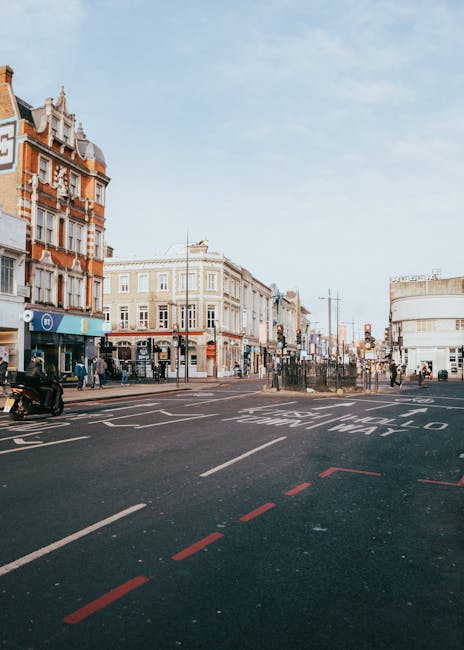
Here is a realistic example. A couple moving from a two-bedroom flat near King Street had a mixture of boxed household items, a bed frame, a dining table, and a couple of oversized chairs. On paper, it looked like a straightforward local move. The complication was access: a narrow staircase, a busy street outside, and limited stopping space right near the property.
They started by measuring the furniture and separating items into three groups: essentials, fragile items, and bulky furniture. The bulky pieces were dismantled where possible. Boxes were labelled by room, and the removal crew was told in advance about the tricky chair frames and the mirror in the hallway. The vehicle was scheduled for a time when street congestion was usually lighter.
The result was not miraculous, just well managed. No one was rushing, the loading went in a sensible sequence, and the new home was set up faster because the boxes were placed directly into the correct rooms. The couple said later that the real difference was not speed, but the feeling that nothing had been left to chance.
That is the heart of it, really. A good move does not feel dramatic. It feels controlled. Quietly controlled.
Practical Checklist
Use this checklist in the last week before moving day. If you tick these off, you are already ahead of most people.
- Confirm moving date, arrival time, and access details
- Check parking or stopping arrangements near both properties
- Measure any furniture that might be awkward
- Book the right type of support for the size of the move
- Gather boxes, tape, labels, wraps, and markers
- Pack room by room and label clearly
- Prepare an essentials box for day one and night one
- Dismantle furniture that needs it, or arrange help
- Set aside valuables and important documents
- Check whether you need storage, even temporarily
- Tell the removal team about any fragile or unusual items
- Walk through the new property before unloading starts
One more thing: keep a phone charged and close by. A dead battery on moving day is the sort of small disaster that feels far bigger than it should.
Get a free quote today and see how much you can save.
Conclusion
Moving around Richmond Road and King Street in TW1 does not have to be a headache. With the right preparation, a sensible service choice, and a calm approach to access and packing, house removals become much more manageable. The best moves are rarely the flashiest ones. They are the ones where the right boxes are ready, the right vehicle is booked, and everyone knows what happens next.
If you are planning a local move, think ahead about access, vehicle size, fragile items, and whether you need extra help with packing or storage. That combination of practical planning and local awareness makes a genuine difference. And if moving day still feels a bit overwhelming, that is normal. Most people feel that way. The trick is not to eliminate the nerves entirely - just to keep them from running the show.
Take it one stage at a time, keep things simple where you can, and give yourself room to breathe. The new place will start to feel like home sooner than you think.

