Twickenham Stadium removals guide for match day moves
Posted on 27/07/2026
If you are planning a move near the stadium, or your moving day happens to land on a big match weekend, you already know the problem: roads that look fine at breakfast can feel completely different by late morning. A Twickenham Stadium removals guide for match day moves is really about one thing - getting your belongings in or out without fighting traffic, restricted access, and the general buzz that comes with one of London's busiest sporting areas. This guide walks you through the practical side of it all, from timing and parking to packing, planning, and choosing the right service for the job.
Truth be told, a move around match day does not need to become a disaster. It just needs a bit more thought. And maybe a touch more patience than usual.
Why Twickenham Stadium removals guide for match day moves Matters
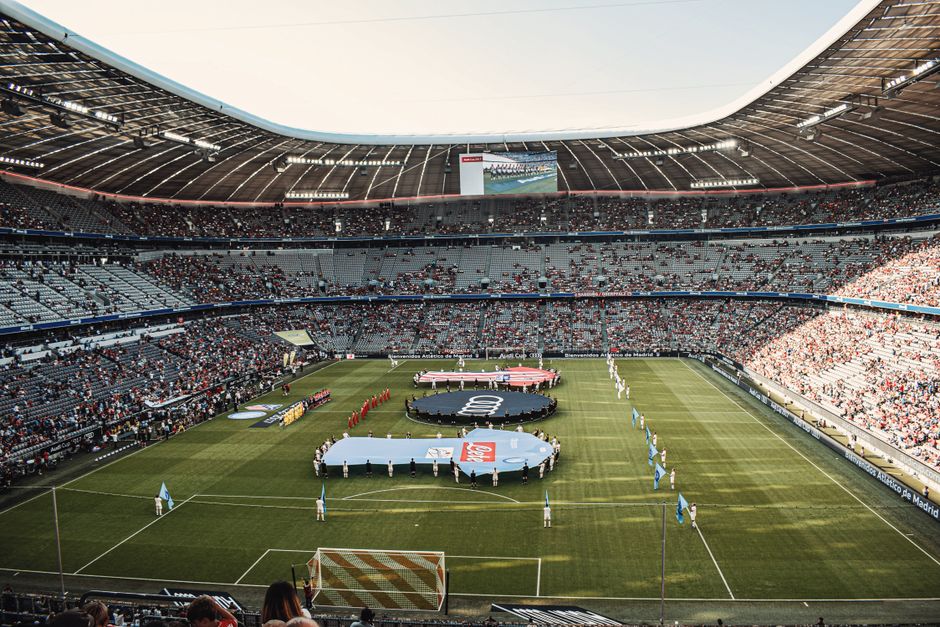
Moves near Twickenham Stadium are not the same as a quiet suburban relocation. On match days, the area gets a different rhythm. Streets near the stadium can be busier, parking can become tighter, and even a short van journey may take longer than it looks on a map. If you do not plan for that, a simple removal can turn into a late arrival, a rushed loading process, and a lot of unnecessary stress.
That matters for more than convenience. Delays can affect lift bookings, key handovers, building access windows, and any time-specific arrangements with landlords or agents. If you are moving from a flat, a house, student accommodation, or a small office, the knock-on effect is often the same: the schedule slips. And once the schedule slips, everything feels harder.
For people local to the area, there is also the reality of lived-in timing. Residents know the stadium can change the flow of traffic well before kick-off and after the final whistle. Even if you are not driving directly past the venue, nearby routes can still be affected. That is why this kind of move needs local awareness, not just a van and a few boxes.
Expert summary: A match day move is less about brute force and more about timing, access, and calm execution. If those three are handled well, the day tends to go smoothly enough.
If you want a broader sense of local moving support, it can help to review the services overview and the company's approach in its about us page before you book anything. That gives you a better feel for what kind of move support you are actually getting.
How Twickenham Stadium removals guide for match day moves Works
At its simplest, the process is about matching your move plan to the stadium calendar. You identify whether there is a fixture, event, or high-traffic period that could affect access. Then you build your move around that reality rather than hoping to push through it. Sounds obvious, but plenty of people do not do it until they are already stuck.
In practice, a match day move usually works best when the day is broken into smaller decisions:
- Choose an early or quiet-time slot where possible.
- Confirm vehicle access and loading space in advance.
- Keep large furniture and fragile items packed and labelled before the moving team arrives.
- Allow a buffer for traffic, not just the estimated drive time.
- Use a removal vehicle that fits the scale of the move, rather than assuming bigger is always better.
For smaller properties, something like a man and van service or a man with a van option can be a smart fit. For larger homes or multi-room moves, a fuller house removals service may be better because it gives you more room for staging, loading, and the inevitable last-minute surprises.
A practical detail that people forget: match day traffic is not only about the stadium gates themselves. Side roads, local parking restrictions, and pedestrian movement all matter. If you are moving from a flat or maisonette, stair access and shared entrances can slow things down too, especially when everyone is trying to use the same narrow space at once. Not ideal, no.
Key Benefits and Practical Advantages
When you plan a move properly around a stadium event, the benefits are immediate. The first is simple calm. You are not watching the clock with dread. You know the route, you know the access plan, and you are less likely to end up carrying drawers up and down stairs while wondering where the van has gone.
There are some very real practical advantages too:
- Fewer delays: choosing the right window reduces the chance of getting caught behind crowds or traffic management changes.
- Better parking outcomes: vans and lorries need space, and that space becomes more precious near match day.
- Safer handling: when the team is not rushing, heavy items are less likely to be bumped, dropped, or packed badly.
- Less disruption to neighbours: a smoother arrival and departure is simply more considerate, especially in dense residential streets.
- Lower stress for you: which, let's face it, is worth a great deal on moving day.
There is also a commercial advantage if you are moving a business or home office. An organised move means less downtime, fewer missed calls, and less chance that your kit ends up buried under a mountain of unpacked boxes. If that sounds familiar, an office removals approach can help keep the move structured and efficient.
For people who need temporary holding space because the old and new keys do not line up perfectly, storage in Twickenham can also take the pressure off. That little bit of flexibility can make a huge difference.
Who This Is For and When It Makes Sense
This guide is useful for a surprisingly wide range of people. You might be a homeowner relocating within Twickenham, a renter moving into a flat near the station, a student changing accommodation, or someone managing a same-day move because completion timings shifted. Different circumstances, same basic issue: you need the move to work around the area, not against it.
It makes sense particularly if:
- your moving date falls on a rugby match, concert, or major event day;
- your property is within the wider stadium access zone;
- you have large items that require vehicle access close to the building;
- you are moving on a tight deadline and cannot afford back-and-forth trips;
- you need to coordinate with landlords, agents, cleaners, or contractors on the same day;
- you are moving from or into a flat with limited parking or stair access.
Students often benefit from this kind of planning too. If you are moving into shared housing or leaving term-time accommodation, a student removals service can be more sensible than trying to juggle everything yourself with a borrowed hatchback and three half-sealed boxes. Been there, seen that.
And if your move is small, the right service does not need to be overcomplicated. A removal van option can be enough when the volume is modest and the route is straightforward, provided the timing is sensible.
Step-by-Step Guidance
Here is the simplest way to handle a move near Twickenham Stadium without making life harder than it needs to be.
1. Check the stadium calendar early
Before you book anything, check whether a match or event falls on your planned date. Even if you are not near the exact entrance, the wider area may still be busier than usual. If there is a clash, consider shifting the move earlier, later, or to a quieter day altogether.
2. Estimate the real access time
Do not just estimate driving time from A to B. Add in loading, parking, stair carries, lift waits, and the possibility of a slow arrival. A 20-minute drive can become a two-hour moving window once the practical bits are included. That is normal, by the way.
3. Decide what kind of move you actually need
There is no prize for choosing the biggest vehicle if your move is tiny. Think about the size of the property, the volume of furniture, and whether you need a full team or just help with transport. For mixed items and awkward access, the balance of labour and vehicle space matters a lot.
4. Pack by room, then by priority
Start with the rooms you use least. Mark boxes clearly, and keep a separate "first night" box with essentials like chargers, toiletries, kettle items, a change of clothes, and important paperwork. That box is a small mercy when the day runs long.
5. Book a realistic time slot
If the move is happening on or near match day, a morning start is often safer than midday, though exact conditions vary. Early starts can reduce the chance of getting tangled in spectator traffic. A late move may work too, but only if access routes stay workable.
6. Keep communication tight
Share the postcode, access notes, floor level, parking constraints, and any security instructions with the removal team. If there is a gate code, loading bay limit, or narrow road, say so early. Surprises are charming in some settings. Moving day is not one of them.
7. Plan for the last stretch
Once the load is on board, think about where you will park at the destination and how unloading will happen. If there is no immediate parking, or if the building has tight restrictions, build that into the plan rather than discovering it at the kerb.
If you are comparing options, the removals Twickenham page and the wider removal services Twickenham information can help you match the service to the size and pace of the move.
Expert Tips for Better Results
In our experience, the moves that go best near stadium traffic share a few habits. Nothing dramatic. Just disciplined basics done properly.
- Build in a buffer of at least one flexible hour. That way a traffic snag does not ruin the whole day.
- Use colour-coded labels. Kitchen, bedroom, fragile, and urgent boxes should be obvious at a glance.
- Pack heavy items in small boxes. It sounds minor, but a large box full of books becomes awkward very quickly.
- Protect corners and glass well. Stadium-area moves often involve more stop-start movement, so items can shift inside the van.
- Keep keys, documents, and chargers on your person. Not buried in a box. Not "somewhere in the front seat." On you.
- Check building rules twice. Lift booking, access windows, and parking permissions are easy to overlook when you are focused on the bigger picture.
One small but useful habit is to photograph packed delicate items before sealing them. It sounds fussy, maybe a bit much, but it helps if there is a question later about how something was packed.
Another tip: if you have an awkward item like a piano, specialist handling matters. A regular move team may be brilliant, but something as weight-sensitive as a piano often calls for dedicated support such as piano removals. Better safe than sorry.
And if your move is being booked at short notice, do not automatically assume you are stuck. A same day removals service can sometimes be the difference between a clean handover and a very awkward afternoon.
Common Mistakes to Avoid
Most problems with match day removals are preventable. That is the annoying bit, really. They are rarely caused by one huge failure; more often they come from a handful of small oversights stacking up.
- Booking too late: if you leave the move until the last minute, you lose flexibility over timing and vehicle choice.
- Ignoring event traffic: even a quick glance at the stadium schedule can save you a lot of hassle.
- Underpacking fragile items: poor wrapping leads to breakages, and once something cracks, there is no elegant fix.
- Assuming parking will be available: it might be, or it might not. Near busy days, do not gamble on it.
- Choosing the wrong service size: too small and you need extra trips; too large and you may pay for space you never use.
- Forgetting access details: a loading bay code or permit issue can cause a frustrating delay right when you want momentum.
A less obvious mistake is trying to pack while the removal team is already waiting. It feels efficient in the moment, but it usually slows everything down. When the van arrives, the house should be ready to go. That is the clean version, anyway.
Another one: not checking whether your move includes items that need special care. Furniture, artwork, large mirrors, and electronics all benefit from proper wrapping. If you have bulky pieces, it is worth looking at furniture removals support rather than improvising on the day.
Tools, Resources and Recommendations
You do not need a truckload of tools to manage this sort of move well. A few sensible items and a good plan usually go a long way.
- Strong boxes: use sturdy cartons and avoid overfilling them.
- Packing tape and markers: simple, but essential.
- Furniture blankets or padding: useful for doors, surfaces, and corners.
- Labels or stickers: faster than handwriting every box in full.
- Zip bags for screws and small fittings: one of the easiest ways to avoid missing parts later.
- Basic measuring tape: handy for checking whether awkward furniture will clear doors or hallways.
For the actual packing stage, a dedicated packing and boxes service can save time if you are short on either materials or patience. And if you want a broader sense of what the business offers beyond one-off moves, the services overview is a sensible place to compare options.
It is also worth reviewing practical policies so you understand how the company approaches safety, security, and claims handling. The insurance and safety information can help with that. Likewise, if you are comparing how pricing is explained, the pricing and quotes page is useful for seeing how estimates are presented.
For customers who value a company with clear process pages and accountability, there are also useful trust signals in the complaints procedure, terms and conditions, and privacy policy. Not glamorous reading, admittedly, but helpful.
Law, Compliance, Standards, or Best Practice
For any move in London, the key compliance points are usually practical rather than dramatic. You are mainly dealing with road access, parking restrictions, building rules, and the safe handling of belongings. If a van is stopping near restricted roads or shared access points, it is wise to follow local parking and loading rules carefully and avoid assuming that "just for five minutes" will be acceptable. It often is not.
Best practice also means being honest about vehicle size, access constraints, and item handling needs. A removal company should be clear about what it can and cannot safely move, whether there are extra risks with stairs or tight entrances, and whether specialist support is needed for certain items. That kind of openness protects everyone.
Health and safety matters too. Teams should lift properly, secure loads, and avoid packing hazards that could shift in transit. If you are trying to keep your own move sensible and low-risk, it is fair to ask how those things are managed. The company's health and safety policy is a useful reference point here.
There is also a broader trust and ethics angle. Many people like to know a business has clear standards around sourcing, sustainability, and service conduct. For that reason, pages such as recycling and sustainability and modern slavery statement can give extra reassurance, even if they are not the first pages you think about when booking a move.
If you need support tailored to a particular property type, the flat removals Twickenham page can be especially useful for apartment-based moves where stairs, lifts, and tight access are part of the picture.
Options, Methods, or Comparison Table
Not every match day move needs the same setup. Here is a simple comparison to help you choose the right approach.
| Option | Best for | Strengths | Watch-outs |
|---|---|---|---|
| Man and van | Small to medium moves, single rooms, light furniture | Flexible, cost-efficient, easier to slot into tighter windows | May need extra trips if volume is underestimated |
| Man with a van | Quick local moves and modest item counts | Practical for fast loading and short-distance relocation | Less suitable for larger homes or bulky furniture |
| Full house removals | Whole-house relocations or bigger families | More capacity, more structure, better for heavy lifting | Needs more planning and potentially more access space |
| Same day removals | Urgent changes, last-minute completions, unexpected timing shifts | Fast response and adaptability | Availability can vary, especially on busy dates |
| Storage plus move | When dates do not line up cleanly | Reduces pressure if keys, completion, or access is delayed | Requires extra coordination and an additional stage |
There is no single right answer. A student moving out of a top-floor flat does not need the same setup as a family relocating a three-bedroom house. The goal is a sensible match between load size, timing, and access conditions.
Case Study or Real-World Example
Consider a typical local scenario. A couple is moving from a flat not far from the stadium to a terraced house elsewhere in Twickenham. Their completion time is in the morning, but there is a match later that day. At first, they assume it will not matter because their move is "before kick-off."
In practice, the team notices the access road is already getting busier earlier than expected. The couple has boxes packed, but the sofa still needs disassembly and the lift is shared with other residents. The move could have become messy. Instead, they shift to a slightly earlier loading slot, use a compact vehicle, and stage fragile items first. They also keep the new home's parking arrangement clear so unloading is not delayed at the other end.
The result is not flashy. It is just smooth. One van, one well-timed trip, no panic, no frantic phone calls, no awkward waiting outside with a mattress. That is the kind of move people remember fondly afterwards because, honestly, nothing dramatic happened.
This is where local awareness pays off. If the couple had ignored stadium traffic, they might have spent their afternoon stuck in the wrong place at the wrong time. Instead, they worked with the day rather than against it. Simple, but very effective.
Practical Checklist
Use this before moving day. It keeps the whole thing grounded.
- Check the stadium event calendar for your moving date.
- Confirm parking and access at both properties.
- Measure awkward furniture and doorways.
- Book the right-sized removal service.
- Pack fragile items with extra padding.
- Label boxes by room and priority.
- Prepare a first-night essentials bag.
- Share postcode, access notes, and floor details with the mover.
- Allow extra time for traffic and loading.
- Keep important documents and valuables with you.
- Confirm whether storage is needed for any gap between dates.
- Double-check lift bookings, keys, and handover times.
If you can tick all of those off, you are already ahead of most moving-day chaos. Not bad at all.
Conclusion
A move near Twickenham Stadium does not have to be difficult. It just needs proper timing, sensible packing, and a realistic view of how match day can affect traffic, parking, and access. Once you factor that in, the rest becomes much easier to manage. The best moves are rarely the most complicated ones; they are the ones where the details were handled early.
Whether you are relocating a flat, a family home, or a small office, the same principle applies: plan around the area's rhythm, not just your own timetable. That is especially true on event days, when a little patience and the right removal support can save you a lot of hassle.
Get a free quote today and see how much you can save.
If you are still deciding on the best route, service type, or timing, it is worth exploring the company's main removal pages and getting a clear sense of what fits your move. A steady plan now is a calmer morning later, and that matters more than people sometimes admit.